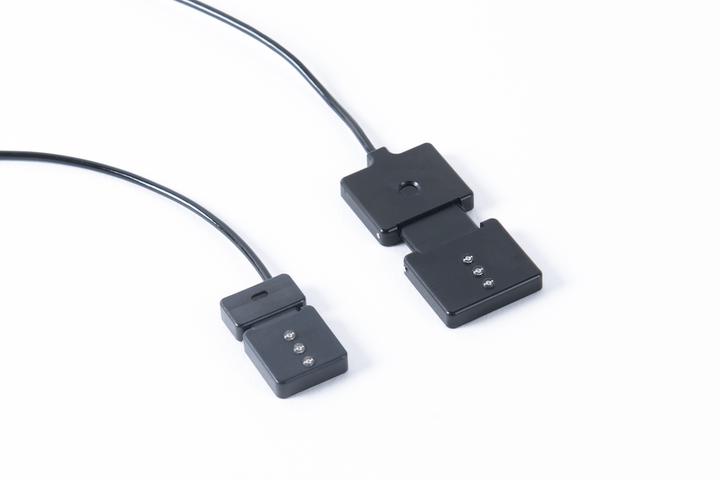
Publications using the PortaLite
Effect of Dietary Nitrate Intake on Fatigue Resistance Following Ischemia-Induced Microvascular Dysfunction in Males and Females
Background Skeletal muscle fatigue reflects the interaction of metabolic demand, contractile efficiency, and oxygen delivery, processes highly dependent on microvascular function. Prolonged ischemia induces transient microvascular dysfunction that …
Impact of the menstrual cycle phase on microvascular function at high altitude
Ovarian hormones may modulate key physiological functions that play a crucial role in the acute response to hypoxia. Women remain underrepresented in high-altitude physiology research. This exploratory study aimed to investigate the impact of …
Ischemic Preconditioning Does Not Improve Climbing Specific Performance in Elite Athletes
Platzer, H-P, Köck, A, Schobersberger, W, and Dünnwald, T. Ischemic preconditioning does not improve climbing specific performance in elite athletes. J Strength Cond Res 40(1): e69–e75, 2026—The aim of the present investigation was to analyze the …
Low-Load Blood Flow Restriction Training Enhances Brachial Blood Flow During Exercise but not Reactive Hyperemia in Experienced Climbers
Low-load blood flow restriction training (LLBFRT) induces significant vascular stress, which is often associated with vascular remodeling, increased capillarization and muscle blood flow. These adaptations may be of interest to climbers as their …
Muscle oxidative capacity does not appear to influence NIRS-VOT outcomes in healthy adults
Near-infrared spectroscopy (NIRS) with vascular occlusion testing (VOT) is used to assess skeletal muscle tissue oxygenation (StO2) responses. Differences in NIRS-VOT outcomes exist between trained and untrained groups; however, it is unclear whether …
Submaximal running with blood flow restriction induces similar muscle oxygenation responses relative to maximal unrestricted running
Purpose To examine muscle oxygenation during running with and without blood flow restriction (BFR). Methods Fifteen aerobically trained males randomly completed four, three-minute running bouts at 70%BFR, 80%BFR, and 90%BFR of their top speed with …
Influence of the combination of end-expiratory breath hold training and inspiratory muscle training on performance in artistic swimmers.
This study explored the effects of combining repeated-sprint training with end-expiratory breath-hold (EBH) and inspiratory muscle training (IMT) on cardiorespiratory fitness and performance in artistic swimming. In a quasi-experimental study, …
Relationships between cognitive appraisals of threat and challenge, psychophysiological responses, and clinical performance during high-stress simulated osces
Introduction In healthcare education, Objective Structured Clinical Examinations (OSCEs) are often utilised as a practical assessment tool and can cause marked elevations in psychophysiological stress levels for students. Cognitive Appraisal Theory …
Affective and cerebral haemodynamic responses to audiovisual stimuli during exercise above and below the ventilatory threshold
Audiovisual stimuli during exercise can improve affective and perceptual responses; however, the factors moderating this benefit as well as the associated cerebral haemodynamic responses remain largely unexplored. Accordingly, the present work …
Cold Water Immersion: Simultaneous Assessment of Cerebral Oxygenation, Vascular Function, and Thermoregulatory Responses
Introduction Developing a greater understanding of how the body reacts following cold water immersion (CWI) and its impact on human performance is required for the development of future monitoring technologies and countermeasures to reduce …
Synthetic-data-driven LSTM framework for tracing cardiac pulsation in optical signals
Optical monitoring of cardiac pulsations using near-infrared spectroscopy (NIRS), photoplethysmography (PPG), and diffuse correlation spectroscopy (DCS) is often hindered by motion artifacts and noise. We introduce a synthetic-data-driven framework …
Towards accurate penetration depth estimation in near-infrared spectroscopy: a quantitative analysis of source-detector distance dependence in porcine kidney models
Understanding the depth of penetration of near-infrared (NIR) light in biological tissue is critical for enhancing clinical applications of near-infrared spectroscopy (NIRS). The current knowledge of NIRS penetration depth primarily stems from …
594PEvaluating oxygen saturation and recovery dynamics in skeletal muscle during exercise in adults with spinal muscular atrophy
Spinal muscular atrophy (SMA) is a recessive genetic disorder marked by a deficiency in SMN2 protein, primarily affecting lower motor neurons and the neuromuscular junction, leading to muscle weakness and fatigue. While neuronal and neuromuscular …
595PCuidAME: state of the Spanish longitudinal registry of SMA patients in 2025
CuidAME, the Spanish national registry for Spinal Muscular Atrophy (SMA), was created in 2020 to collect real-life data after the arrival of innovative therapies: Nusinersen (Ns, available in Spain since 2018), gene therapy Onasemnogene abeparvovec …
596PReal-life experience with risdiplam in a Brazilian spinal muscular atrophy cohort followed for up to 9 months
Spinal muscular atrophy (SMA) is a progressive neuromuscular disease characterized by muscle weakness and wasting due to motor neuron degeneration. It may present anywhere from birth up to adult life. Risdiplam is an oral splicing modifier of SMN2 …
597PAligning functional scales with neurophysiological biomarkers in adult SMA: guiding clinical and research scale selection
Neurophysiological biomarkers such as Compound Muscle Action Potential (CMAP) and Motor Unit Number Index (MUNIX) are increasingly recognized as objective tools to monitor disease status in spinal muscular atrophy (SMA). However, their relationship …
Functional and brain activation changes in females with subcortical subacute stroke captured through functional near infrared spectroscopy: a case series
Background Females have worse functional outcomes than males after a stroke including worse standing balance, slower gait speed, and higher fatigue levels. The current understanding of stroke recovery mechanisms has not yet been able to explain why …
Hemodynamic responses of the prefrontal cortex following cold water immersion during an eyes-closed balance assessment
Purpose This study aimed to examine the impact of cold water immersion (CWI) on balance and the corresponding hemodynamic responses that occur within the prefrontal cortex (PFC). Measuring PFC activation during balance will identify cognitive …
Navigating the brain: How cerebral blood flow shifts with task complexity
Monitoring middle cerebral artery blood velocity (MCAv) during maneuvers known to alter cerebral perfusion, such as supine-to-standing transitions or walking, may provide a more comprehensive assessment used to flag individuals susceptible to …
Blood flow restriction exacerbates muscle deoxygenation and fatigue during sport climbing specific finger flexors resistance training
Purpose Low-load blood-flow resistance training (LLBFRT) is increasingly used as an alternative to high-load resistance training (HLRT) to improve muscle strength and endurance while reducing mechanical stress on tissues. However, the acute responses …